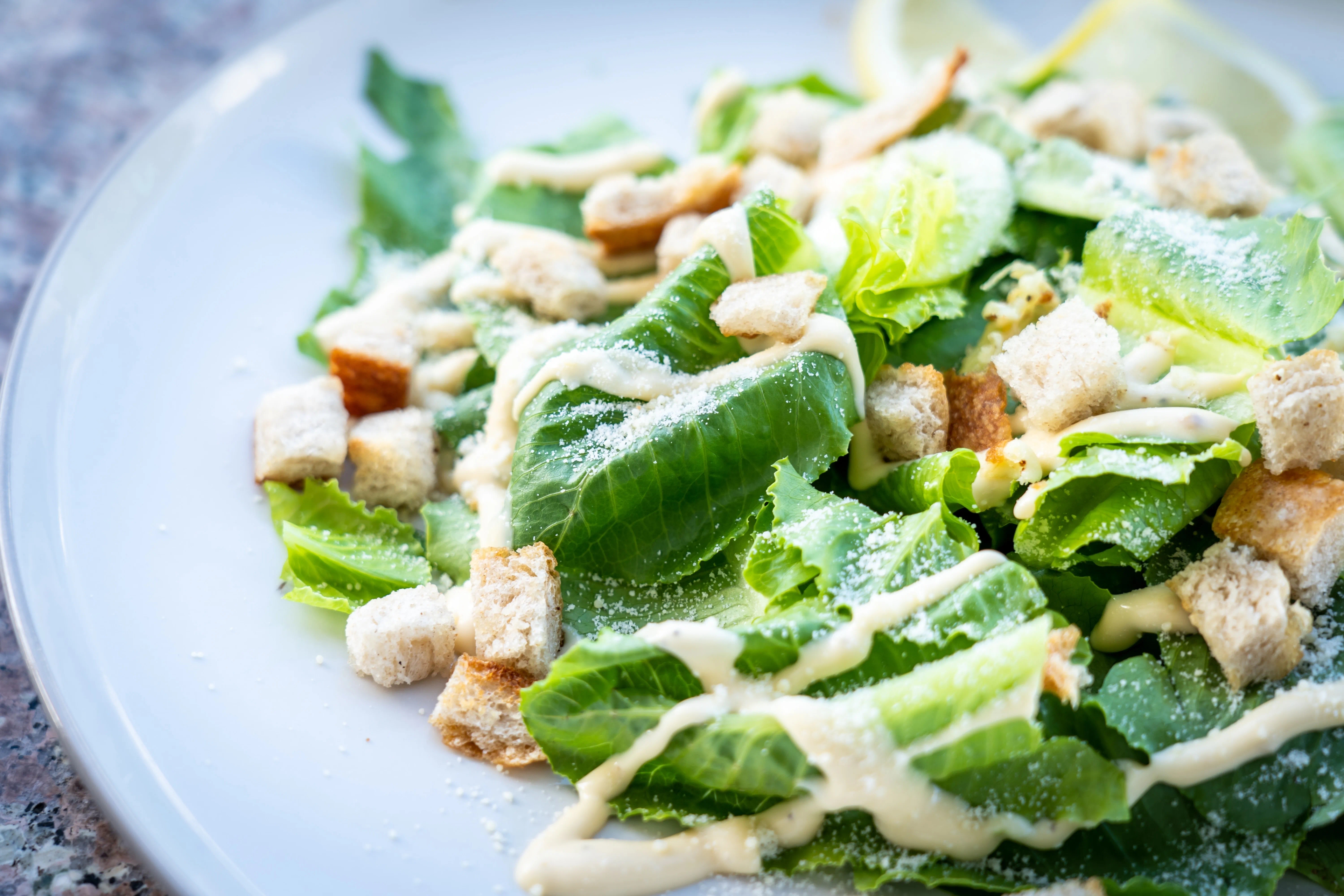
Xanthan Gum: Our product information
As a reliable dealer and distributor of Xanthan Gum, we are your global partner for sourcing high-quality products.
Product Specification
Xanthan Gum: The proven thickening and gelling agent for food, personal care and cosmetics
Xanthan Gum, also known as Xanthan, is a natural gelling agent obtained by the fermentation of sugar-containing raw materials. It is commonly used in the food industry, particularly in the production of ready meals and sauces. Xanthan provides an easy and reliable way to improve the stability and consistency of food products.
Xanthan belongs to the group of polysaccharides, which are complex sugars. In an aqueous or oily solution, the additive swells and increases the viscosity of the liquid. It forms a gel-like mass that can be used in various applications and remains stable even at high temperatures. The gelling agent cannot be metabolized by the body and is excreted unchanged. Xanthan Gum is therefore classified as a soluble fiber that has positive effects on digestion and intestinal health.
Xanthan thickener is well-tolerated, safe, and environmentally friendly. It is available as a beige, tasteless powder that dissolves quickly in cold or hot water and shows solid freeze-thaw stability. Xanthan Gum is listed under the E number E415.
Xanthan Production: Technological Extraction
Industrial production of Xanthan is carried out through microbial fermentation. This requires bacteria of the genus Xanthomonas and sugar-containing raw materials such as corn, wheat or soy. Fermentation ultimately produces Xanthan Gum in a gel-like consistency. After alcohols are added, the jelly solidifies. The solid can then be further processed into beige Xanthan powder, which is versatile and can be used in various applications.
Xanthan Food Application and Effects
Xanthan can be added to all foods that are suitable for food additives . It is one of the most consumed additives. Within food technology, Xanthan E415 fulfills several functions that are intended to improve the consistency of food.
These include the following:
-
The ability of Xanthan Gum to produce a smooth and homogeneous consistency makes it a preferred choice in the baking industry, especially for gluten-free foods as it provides similar binding properties to gluten-rich ingredients.
-
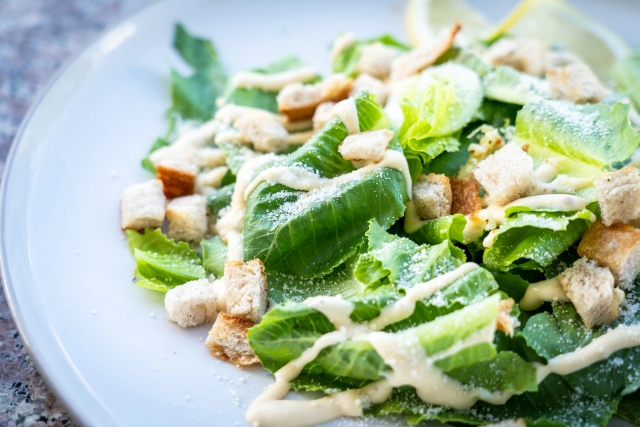
In ready meals, salad dressings, or sauces, Xanthan Gum helps to create a pleasant texture and good taste without the need for additional ingredients. Xanthan Gum optimizes the flowability and prevents uneven consistencies.
-
In frozen products, the water-binding ability of Xanthan is used to optimize freeze-thaw stability, ensuring that the consistency of frozen products is maintained after thawing.
-
Xanthan Gum also helps to stabilize flavors. The thickening agent serves as a flavor carrier in this area.
-
As a non-animal gelatin substitute, Xanthan is always an option when a gel-like consistency is required in vegan products.
-
In ice cream, Xanthan is used to achieve optimal creaminess. The thickening agent prevents water from crystallizing, resulting in a gritty ice cream consistency.
-
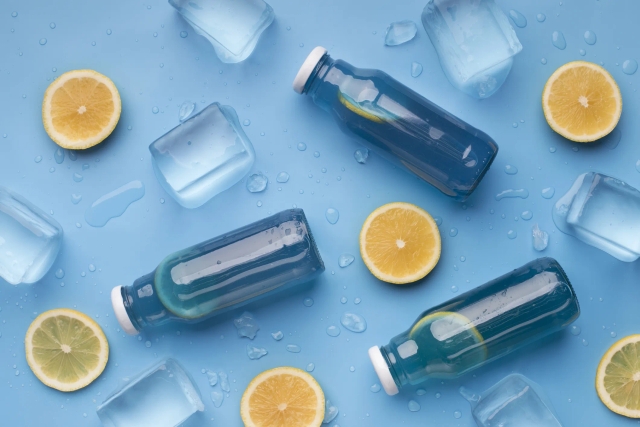
Xanthan E415 is also used in fruit juices, where the additive helps to distribute natural suspended substances more evenly in the juice.
-
Molecular chefs use Xanthan for extraordinary creations from liquids. Xanthan Gum can also be excellently combined with other thickeners. Xanthan, when combined with carob seed flour, can achieve a rubbery consistency. Unlike other additives, Xanthan Gum is approved for use in organic products.
The natural thickener is considered so harmless that it is even used in the preparation of infant formula.
Xanthan Gum: Further Uses of the Additive
Xanthan Gum additive is also used in the Home & Personal Care industry, especially in body care products. Xanthan acts as a binder and ensures that different components of a product are held together. Xanthan has an emulsion stabilizing effect, which is of great importance for product stability. As Xanthan binds water, Xanthan-containing creams are also effective moisturizers for the skin.
In addition, the thickening and gelling properties of Xanthan are also used in cosmetics to achieve optimal viscosity. The additive is added to shampoos, conditioners, liquid soaps, body creams, makeup, mascara, or toothpastes.
Xanthan Gum is also commonly used as a thickening agent in the animal feed additive industry.
Conclusion: What Makes the Additive Special
With its simple and sustainable production, the ability to improve the consistency of food, and its broad application in various industries, Xanthan Gum is an essential component for many products and a proven solution for a variety of manufacturing processes. This thickening and gelling agent is particularly characterized by its high compatibility and uncomplicated combinability.
We Provide High-Quality Additives
Are you looking for a Xanthan Gum supplier or interested in other products from us? Please use our inquiry form so that one of our experienced staff members can take care of your request as quickly as possible.
If you want a sample, please also specify the desired quantity and manufacturer. We will contact you immediately to discuss your requirements.
FAQ
Our xanthan gum is available with ISO, Halal, Kosher, GMP, BRC, FSSC 22000 and FAMI-QS certifications, supporting applications in food, feed, pharmaceutical and industrial markets worldwide.
Product Pricing Outlook
CurrentXanthan Gum
Lead times remain very long, while prices continue to be at an elevated level. Early and long-term demand planning is therefore recommended to ensure supply security and minimize procurement risks.

Your questions about our products
 XylitolCAS-Nr.87-99-0SynonymXylitol
 (Tri-) CalciumcitrateCAS-Nr.5785-44-4Synonym(Tri-) Calciumcitrate
 Acesulfame KCAS-Nr.55589-62-3SynonymAcesulfame K
 Ascorbic AcidCAS-Nr.50-81-7SynonymAscorbic Acid
 AspartameCAS-Nr.22839-47-0SynonymAspartame
 CaffeineCAS-Nr.58-08-2SynonymCaffeine
- Calcium LactateCAS-Nr.814-80-2SynonymCalcium Lactate
 Calcium PropionateCAS-Nr.4075-81-4SynonymCalcium Propionate
 Calcium SilicateCAS-Nr.1344-95-2SynonymCalcium Silicate
- Citric AcidCAS-Nr.77-92-9, 5949-29-1SynonymCitric Acid
 DextroseCAS-Nr.1496309SynonymDextrose
- Erythorbic AcidCAS-Nr.89-65-6SynonymErythorbic Acid
- ErythritolCAS-Nr.149-32-6SynonymErythritol
- Fumaric AcidCAS-Nr.110-17-8SynonymFumaric Acid
- Glucono Delta LactoneCAS-Nr.90-80-2SynonymGlucono Delta Lactone
- GlucuronolactoneCAS-Nr.32449-92-6SynonymGlucuronolactone
 GlycineCAS-Nr.56-40-6SynonymGlycine
 Lactic AcidCAS-Nr.50-21-5SynonymLactic Acid
 Magnesium CitrateCAS-Nr.7779-25-1SynonymMagnesium Citrate
 MaltitolCAS-Nr.585-88-6SynonymMaltitol
 Monk FruitCAS-Nr.-SynonymMonk Fruit
 PolyvinylpolypyrrolidoneCAS-Nr.9003-39-8SynonymPolyvinylpolypyrrolidone
 Potassium SorbateCAS-Nr.24634-61-5SynonymPotassium Sorbate
 Sodium AcetateCAS-Nr.127-09-3SynonymSodium Acetate
- Sodium AscorbateCAS-Nr.134-03-2SynonymSodium Ascorbate
 Sodium CyclamateCAS-Nr.139-05-9SynonymSodium Cyclamate
 Sodium DiacetateCAS-Nr.126-96-5SynonymSodium Diacetate
- Sodium ErythorbateCAS-Nr.6381-77-7SynonymSodium Erythorbate
- Sorbic AcidCAS-Nr.110-44-1SynonymSorbic Acid
 SucraloseCAS-Nr.56038-13-2SynonymSucralose
 TaurineCAS-Nr.107-35-7SynonymTaurine
 Tricalcium PhosphateCAS-Nr.7758-87-4SynonymTricalcium Phosphate
- Tripotassium CitrateCAS-Nr.866-84-2SynonymTripotassium Citrate
 Trisodium CitrateCAS-Nr.6132-04-3SynonymTrisodium Citrate
 VanillinCAS-Nr.121-33-5SynonymVanillin
 Xanthan GumCAS-Nr.11138-66-2SynonymXanthan Gum
- XylitolCAS-Nr.87-99-0SynonymXylitol
- (Tri-) CalciumcitrateCAS-Nr.5785-44-4Synonym(Tri-) Calciumcitrate





Rödingsmarkt 16,
DE-20459 Hamburg
Jebsen & Jessen Life Science is part of the Jebsen & Jessen Hamburg Group


