
Sodium Diacetate: Our product information
As a reliable dealer and distributor of Sodium Diacetate, we are your global partner for sourcing high-quality products.
Product Specification
Sodium diacetate: A proven flavor enhancer, acid regulator, and preservative in food
Sodium diacetate is an important additive within the food industry. It is a mixture of acetic acid and sodium acetate. Sodium diacetate is the sodium salt of acetic acid (E260). Unlike other additives, sodium diacetate is not a pure substance but a mixture of substances. It functions as an acid regulator, flavor enhancer, and preservative, contributing to the improvement of the freshness and shelf life of food.
Sodium diacetate is available as a white powder that dissolves easily in water. The smell of acetic acid is a characteristic feature of sodium diacetate. The additive is classified under E-number E262.
Sodium diacetate production: Technological production
Sodium diacetate is produced in industry by mixing acetic acid and sodium acetate. Both substances must be mixed to obtain sodium diacetate. The right ratio is crucial: 60 percent sodium acetate and 40 percent acetic acid are needed.
Sodium diacetate as a flavor enhancer in food
Sodium diacetate is a proven component in many foods. Food additives such as sodium diacetate are added to achieve a sour aroma. Sodium diacetate helps bakers and cooks to produce delicious products with a pleasant sour taste.
The flavor enhancer is used especially in baked goods such as sourdough bread and pita to give them a sour taste while preserving their freshness.
In addition, sodium diacetate is also present in the following foods:
- Fruit preserves
- Vegetable preserves
- Mayonnaise
- Marinades
- Deli salads
- Soft cheeses (such as Mozzarella or Ricotta)
- Sauces
- Canned fish
Sodium diacetate is also included in the group of approved feed additives and can therefore be used in animal feed.
Sodium diacetate as a preservative
Sodium diacetate is often used for food preservation. The additive acts as an acid regulator and significantly influences the pH value in food. In an aqueous solution, sodium diacetate has a low pH value, which inhibits the growth of yeasts, molds, or bacteria.
Thus, the salt of acetic acid ensures that food remains fresh over a longer period of time. By adding sodium diacetate, you can always enjoy a piece of fresh bread or a crispy pita without premature spoilage becoming a problem.
Sodium diacetate is often combined with other food preservatives to enhance its preserving effect and achieve even better protection against microorganisms.
Conclusion: This Makes the Additive Particularly Special
Sodium diacetate is considered a safe, well-tolerated, and harmless food additive that scores points for its naturalness and effectiveness. The salt of acetic acid is an important component in food production that fulfills several functions: sodium diacetate serves as an acid regulator, preservative, and flavor enhancer, thus helping to improve the aroma and shelf life of food.
We Provide High-Quality Additives
Are you looking for a sodium diacetate supplier or interested in one of our other products? Please use our inquiry form so that one of our experienced staff can take care of your request as soon as possible. If you want a sample, please also specify the desired quantity and manufacturer. We will contact you immediately to discuss your requirements.

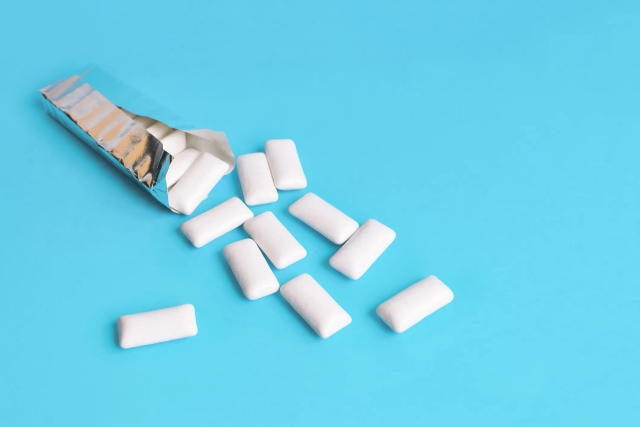 XylitolCAS-Nr.87-99-0SynonymXylitol
 (Tri-) CalciumcitrateCAS-Nr.5785-44-4Synonym(Tri-) Calciumcitrate
 Acesulfame KCAS-Nr.55589-62-3SynonymAcesulfame K
 Ascorbic AcidCAS-Nr.50-81-7SynonymAscorbic Acid
 AspartameCAS-Nr.22839-47-0SynonymAspartame
 CaffeineCAS-Nr.58-08-2SynonymCaffeine
- Calcium LactateCAS-Nr.814-80-2SynonymCalcium Lactate
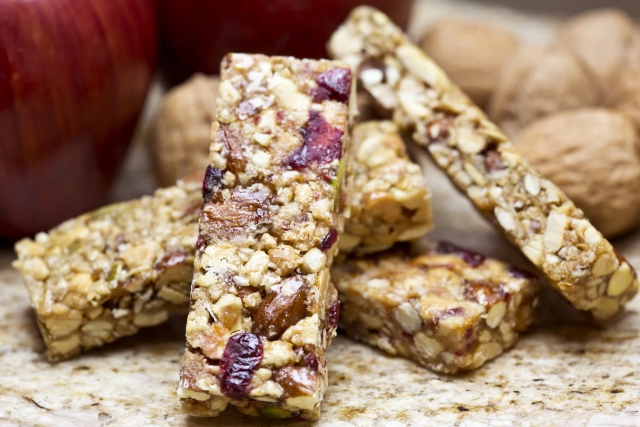 Calcium PropionateCAS-Nr.4075-81-4SynonymCalcium Propionate
 Calcium SilicateCAS-Nr.1344-95-2SynonymCalcium Silicate
- Citric AcidCAS-Nr.77-92-9, 5949-29-1SynonymCitric Acid
 DextroseCAS-Nr.1496309SynonymDextrose
- Erythorbic AcidCAS-Nr.89-65-6SynonymErythorbic Acid
- ErythritolCAS-Nr.149-32-6SynonymErythritol
- Fumaric AcidCAS-Nr.110-17-8SynonymFumaric Acid
- Glucono Delta LactoneCAS-Nr.90-80-2SynonymGlucono Delta Lactone
- GlucuronolactoneCAS-Nr.32449-92-6SynonymGlucuronolactone
 GlycineCAS-Nr.56-40-6SynonymGlycine
 Lactic AcidCAS-Nr.50-21-5SynonymLactic Acid
 Magnesium CitrateCAS-Nr.7779-25-1SynonymMagnesium Citrate
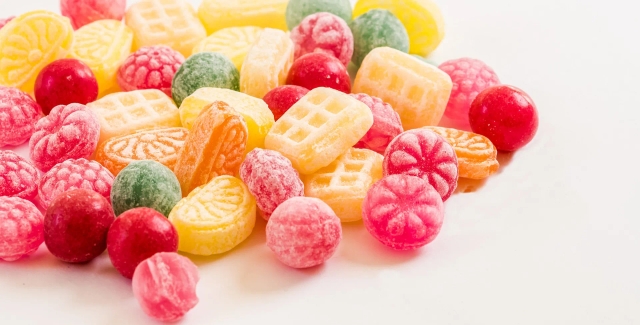 MaltitolCAS-Nr.585-88-6SynonymMaltitol
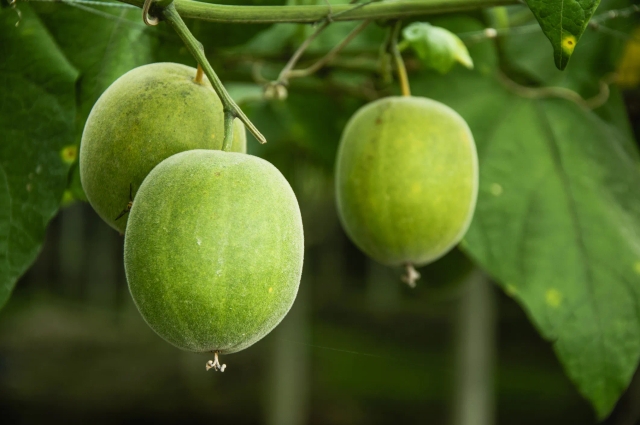 Monk FruitCAS-Nr.-SynonymMonk Fruit
 PolyvinylpolypyrrolidoneCAS-Nr.9003-39-8SynonymPolyvinylpolypyrrolidone
 Potassium SorbateCAS-Nr.24634-61-5SynonymPotassium Sorbate
 Sodium AcetateCAS-Nr.127-09-3SynonymSodium Acetate
- Sodium AscorbateCAS-Nr.134-03-2SynonymSodium Ascorbate
 Sodium CyclamateCAS-Nr.139-05-9SynonymSodium Cyclamate
 Sodium DiacetateCAS-Nr.126-96-5SynonymSodium Diacetate
- Sodium ErythorbateCAS-Nr.6381-77-7SynonymSodium Erythorbate
- Sorbic AcidCAS-Nr.110-44-1SynonymSorbic Acid
 SucraloseCAS-Nr.56038-13-2SynonymSucralose
 TaurineCAS-Nr.107-35-7SynonymTaurine
 Tricalcium PhosphateCAS-Nr.7758-87-4SynonymTricalcium Phosphate
- Tripotassium CitrateCAS-Nr.866-84-2SynonymTripotassium Citrate
 Trisodium CitrateCAS-Nr.6132-04-3SynonymTrisodium Citrate
 VanillinCAS-Nr.121-33-5SynonymVanillin
 Xanthan GumCAS-Nr.11138-66-2SynonymXanthan Gum
- XylitolCAS-Nr.87-99-0SynonymXylitol
- (Tri-) CalciumcitrateCAS-Nr.5785-44-4Synonym(Tri-) Calciumcitrate





Rödingsmarkt 16,
DE-20459 Hamburg
Jebsen & Jessen Life Science is part of the Jebsen & Jessen Hamburg Group


