
Vanillin: Our product information
As a reliable dealer and distributor of Vanillin, we are your global partner for sourcing high-quality products.
Product Specification
Vanillin: The popular flavoring agent for enhancing food, cosmetics, and personal care products
Vanillin is a well-known flavoring agent that is commonly used in the food industry to add taste and fragrance to various products such as baked goods, ice cream, and soft drinks. In addition, Vanillin is also used in cosmetics and pharmaceutical products.
Vanillin aldehyde is an organic chemical compound that is naturally found mainly in the pods (mistakenly referred to as beans) of the vanilla plant.
Synthetic Vanillin is available in the market as a crystalline or needle-shaped powder that is very sensitive to sunlight and oxygen. Therefore, special storage conditions are required for Vanillin.
Vanillin Production: Technological Extraction
The first synthesis of Vanillin took place in 1874. At that time, Vanillin was extracted from the bark of trees, but since then the technology has advanced. Nowadays, many different methods are used for Vanillin production. In addition to the natural method, which involves extracting real vanilla extract from the pods of the vanilla plant, many biologically-chemical extraction methods have also been developed.
-
Vanillin can be extracted from eugenol, which naturally occurs in cloves. This involves oxidizing eugenol with ozone or potassium permanganate.
-
Vanillin can also be synthesized from guaiacol, a component of guaiacum resin. Guaiacol is fermented with formaldehyde and nitrobenzene sulfonic acid to produce Vanillin.
-
Vanillin can also be extracted from sulfite and the lignin sulfonic acid contained therein, which is a byproduct of paper production.
-
Ferulic acid also serves as a starting material for Vanillin. In a biotechnological process, Vanillin can be produced using bacterial strains.
The numerous extraction methods and the distinctive taste and aroma have made Vanillin one of the most commonly consumed flavoring agents..
Vanillin Flavoring Agent: Use in Food
Methyl Vanillin is a proven ingredient in many well-known food products and enjoys worldwide popularity among consumers. The Vanillin flavor convinces with its typical vanilla taste and a subtle sweetness. Adding Vanillin not only improves the taste and fragrance of food, but can also help to enhance the overall impression of products.
In the baking industry, Vanillin is an important flavoring agent and a popular addition to many baked goods, including cookies, cakes, pies, and bread. It gives these products a sweet, pleasant taste and an aromatic note that is often very well-received by consumers.
Vanillin is also used in other sweets to round off the flavor. These include chocolate, candies, puddings, or other dairy products.
In ice cream and soft drinks, Vanillin can also be used to add taste and fragrance. It can help create a pleasant sweet aroma.
In addition, vanillin is used in the following foods:
- Ready meals
- Yoghurts
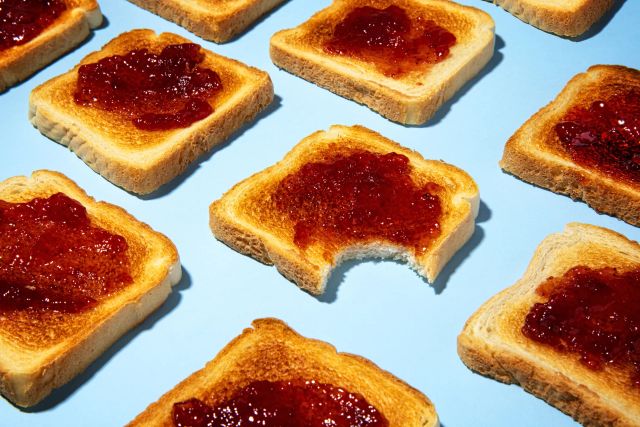
- Jams
- Spreads
- Sauces
- Vanilla sugar
- Buttercream
- Liqueurs
- Syrup
Food additives such as vanillin are poorly soluble in water, which must be taken into account during product development. The solubility in water increases at temperatures above 80 degrees Celsius. Vanillin is better soluble in ethanol or ether.
Vanillin: Other possible uses of the flavouring substance
Vanillin is not only a highly sought-after ingredient in the food industry, but is also used in the home & personal care sector. Cosmetic and personal care products often contain vanillin to optimize their scent. As the typical vanilla scent is well-known and popular among consumers, more and more brands are relying on vanillin.
Cosmetic products in which vanillin is often found would be:
- Creams
- Shower gels
- Bath additive
- Soaps
- Deodorants
- Perfumes
- Body sprays
- Aftershaves
In addition, vanillin can also be found in air fresheners and scent diffusers, allowing the sweet vanilla scent to be introduced into rooms. For the same reason, candle makers also use vanillin to create fragrant candles that contribute to a pleasant living atmosphere.
Apart from these areas, the tobacco industry also uses the additive vanillin. Certain types of tobacco are added with vanillin to round off the flavor.
Conclusion: What makes the additive special
Vanillin is one of the most popular flavorings and is therefore found in a variety of foods. It helps to improve the taste, smell, and overall impression of products. Vanillin is also frequently added to cosmetics, personal care products, room fragrances, and candles to make them more appealing.4
We are your food flavoring supplier
If you are looking for a vanillin supplier, a flavoring supplier in Germany, or are interested in one of our other products, please feel free to use our inquiry form so that one of our experienced staff members can attend to your request as soon as possible.
If you would like a sample, please also indicate the desired quantity and manufacturer. We will contact you promptly to discuss your requirements.

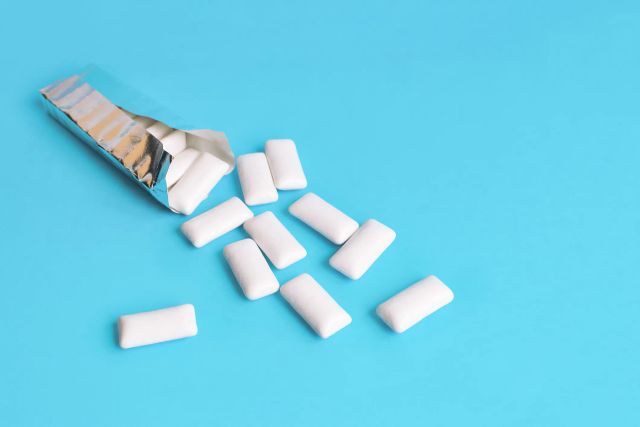 XylitolCAS-Nr.87-99-0SynonymXylitol
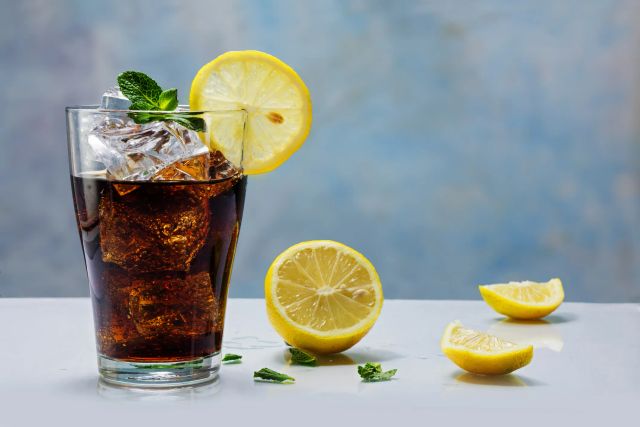 (Tri-) CalciumcitrateCAS-Nr.5785-44-4Synonym(Tri-) Calciumcitrate
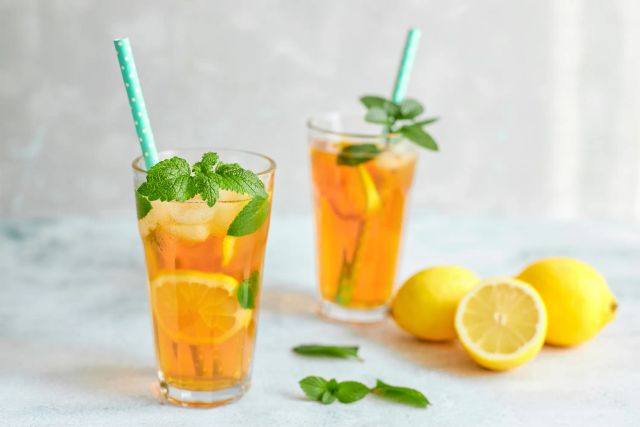 Acesulfame KCAS-Nr.55589-62-3SynonymAcesulfame K
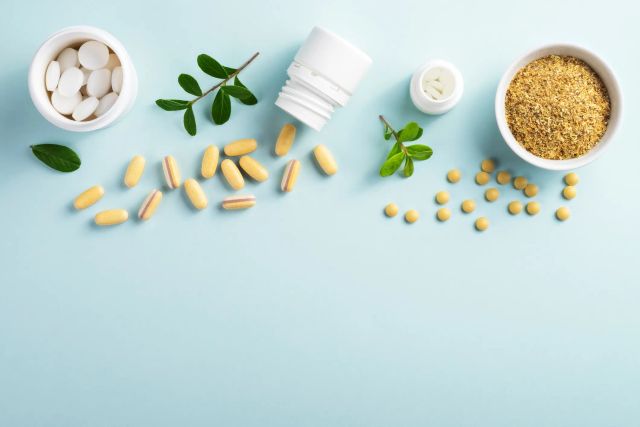 Ascorbic AcidCAS-Nr.50-81-7SynonymAscorbic Acid
 AspartameCAS-Nr.22839-47-0SynonymAspartame
 CaffeineCAS-Nr.58-08-2SynonymCaffeine
- Calcium LactateCAS-Nr.814-80-2SynonymCalcium Lactate
 Calcium PropionateCAS-Nr.4075-81-4SynonymCalcium Propionate
 Calcium SilicateCAS-Nr.1344-95-2SynonymCalcium Silicate
- Citric AcidCAS-Nr.77-92-9, 5949-29-1SynonymCitric Acid
 DextroseCAS-Nr.1496309SynonymDextrose
- Erythorbic AcidCAS-Nr.89-65-6SynonymErythorbic Acid
- ErythritolCAS-Nr.149-32-6SynonymErythritol
- Fumaric AcidCAS-Nr.110-17-8SynonymFumaric Acid
- Glucono Delta LactoneCAS-Nr.90-80-2SynonymGlucono Delta Lactone
- GlucuronolactoneCAS-Nr.32449-92-6SynonymGlucuronolactone
 GlycineCAS-Nr.56-40-6SynonymGlycine
 Lactic AcidCAS-Nr.50-21-5SynonymLactic Acid
 Magnesium CitrateCAS-Nr.7779-25-1SynonymMagnesium Citrate
 MaltitolCAS-Nr.585-88-6SynonymMaltitol
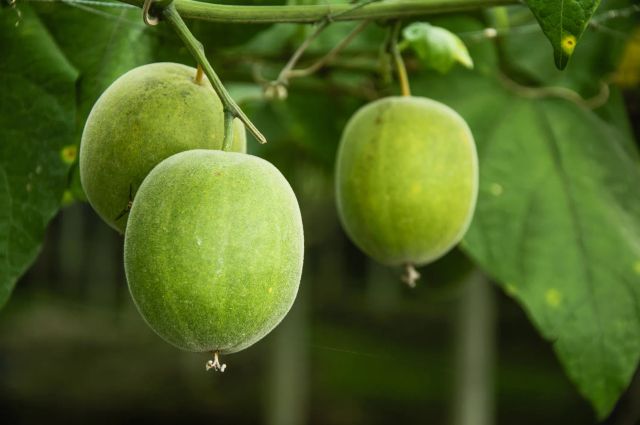 Monk FruitCAS-Nr.-SynonymMonk Fruit
 PolyvinylpolypyrrolidoneCAS-Nr.9003-39-8SynonymPolyvinylpolypyrrolidone
 Potassium SorbateCAS-Nr.24634-61-5SynonymPotassium Sorbate
 Sodium AcetateCAS-Nr.127-09-3SynonymSodium Acetate
- Sodium AscorbateCAS-Nr.134-03-2SynonymSodium Ascorbate
 Sodium CyclamateCAS-Nr.139-05-9SynonymSodium Cyclamate
 Sodium DiacetateCAS-Nr.126-96-5SynonymSodium Diacetate
- Sodium ErythorbateCAS-Nr.6381-77-7SynonymSodium Erythorbate
- Sorbic AcidCAS-Nr.110-44-1SynonymSorbic Acid
 SucraloseCAS-Nr.56038-13-2SynonymSucralose
 TaurineCAS-Nr.107-35-7SynonymTaurine
 Tricalcium PhosphateCAS-Nr.7758-87-4SynonymTricalcium Phosphate
- Tripotassium CitrateCAS-Nr.866-84-2SynonymTripotassium Citrate
 Trisodium CitrateCAS-Nr.6132-04-3SynonymTrisodium Citrate
 VanillinCAS-Nr.121-33-5SynonymVanillin
 Xanthan GumCAS-Nr.11138-66-2SynonymXanthan Gum
- XylitolCAS-Nr.87-99-0SynonymXylitol
- (Tri-) CalciumcitrateCAS-Nr.5785-44-4Synonym(Tri-) Calciumcitrate





Rödingsmarkt 16,
DE-20459 Hamburg
Jebsen & Jessen Life Science is part of the Jebsen & Jessen Hamburg Group


