
Sucralose: Our product information
As a reliable dealer and distributor of Sucralose, we are your global partner for sourcing high-quality products.
Product Specification
Sucralose: The proven calorie-free sugar substitute in food
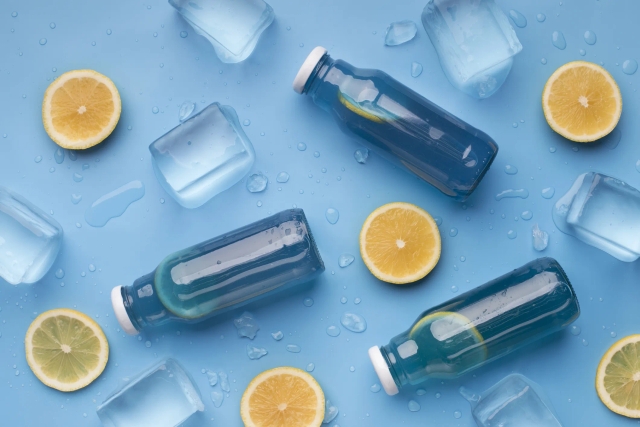
Sucralose is a commonly used sweetener in beverages due to its extraordinarily high sweetness without providing any calories. It is often used as an alternative to sugar to create a lower calorie version of sweet drinks.
Sucralose is a newer sweetener and has been approved since 2004. The sugar substitute is chemically produced and contains no carbohydrates, making it an excellent choice for people who watch their calorie intake. The sweetener is about 600 times sweeter than ordinary household sugar.
In addition, this sugar substitute has no effect on blood sugar levels, making it particularly suitable for people with diabetes. Sucralose is also very stable and can withstand high temperatures and pH values, making it suitable for use in many different types of foods.
The Sucralose sweetener is available as a white powder that dissolves well in water or ethanol. The sugar substitute is listed under the E number E955.
Sucralose Production: Technological Extraction
Chemically, Sucralose differs from ordinary household sugar by chlorine atoms. For Sucralose production, therefore, a chlorination of sugar must be performed. During this process, the chlorine atoms are added to the sugar molecule. Colorless crystals are formed, which taste very sweet - Sucralose.
Sucralose foods: The function of the sugar substitute
Today, the Sucralose sweetener is used in many different foods. It serves as a sweet flavor enhancer, but also fulfills other technological functions.
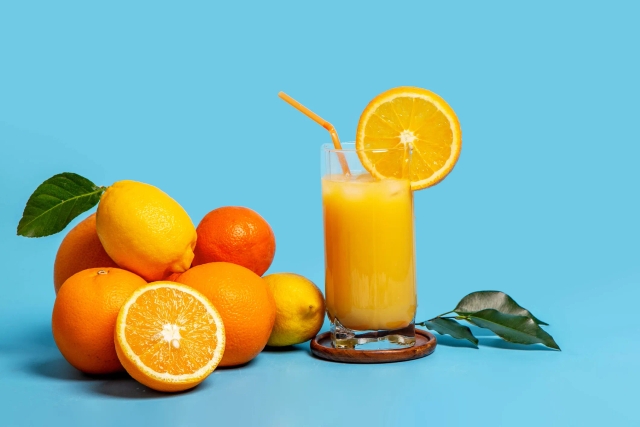
Sucralose is particularly commonly used in the beverage industry. Soft drinks, energy drinks, or refreshments are given a sweet taste without any additional calories. In addition, Sucralose is not cariogenic, unlike sugar. This means that the sugar substitute does not attack the tooth substance and cannot cause tooth decay.
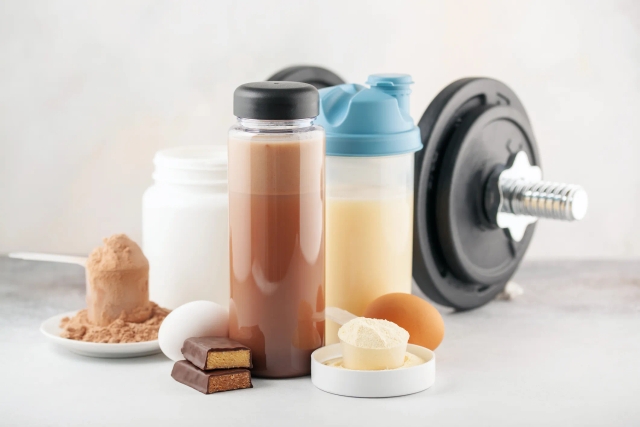
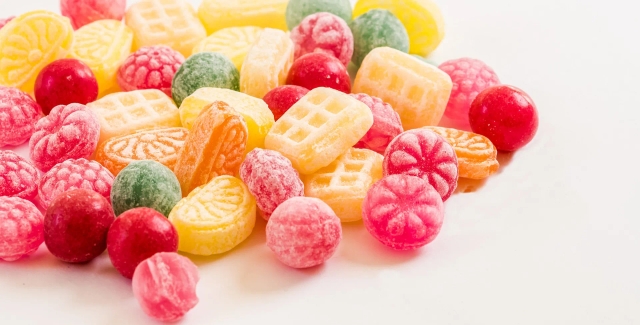
Food additives Sucralose are also used in many diet products that are calorie- or sugar-reduced. Energy-reduced candies, fruit preserves, desserts, protein powders, dairy products, baked goods, jams, or cereals receive a sweet aroma from Sucralose without any sugar calories.
Sucralose compared to other sweeteners
The advantage of Sucralose sweetener over other sweeteners is its efficiency. Due to the enormous sweetness of Sucralose, only a small amount of the sugar substitute is needed to achieve a strong sweetness.
In addition, the taste exceeds that of other sweeteners: Unlike other variants, Sucralose has no bitter or metallic aftertaste. These properties make the sugar substitute a proven and popular additive.
Conclusion: Further Applications of the Additive
Overall, Sucralose is an effective sweetener for food with an excellent sweetness level. Its high yield and authentic, pure taste make Sucralose a frequently used sugar substitute in food, especially in beverages.
We supply high-quality additives
Are you looking for a Sucralose supplier or interested in one of our other products? Please feel free to use our inquiry form so that one of our experienced employees can quickly take care of your request.
If you would like a sample, please also indicate the desired quantity and manufacturer. We will promptly contact you to discuss your requirements.
Product Pricing Outlook
CurrentSucralose
The price situation for sucralose has not changed significantly in recent months. Market conditions remain stable, making this a good time to review demand planning for the coming months and secure volumes at an early stage.

Your questions about our products
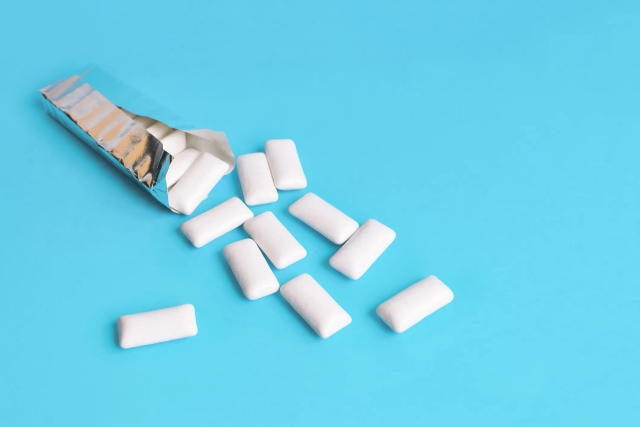 XylitolCAS-Nr.87-99-0SynonymXylitol
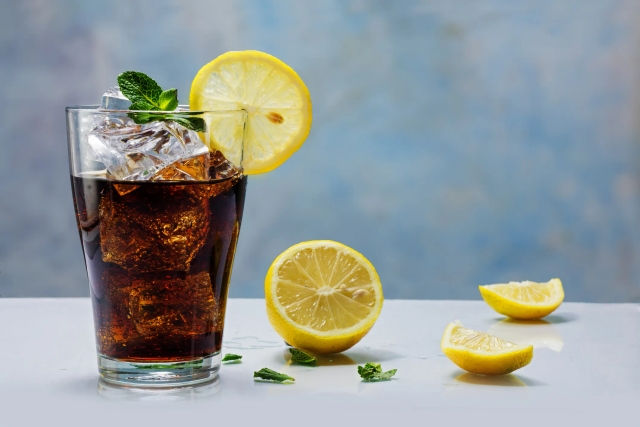 (Tri-) CalciumcitrateCAS-Nr.5785-44-4Synonym(Tri-) Calciumcitrate
 Acesulfame KCAS-Nr.55589-62-3SynonymAcesulfame K
 Ascorbic AcidCAS-Nr.50-81-7SynonymAscorbic Acid
 AspartameCAS-Nr.22839-47-0SynonymAspartame
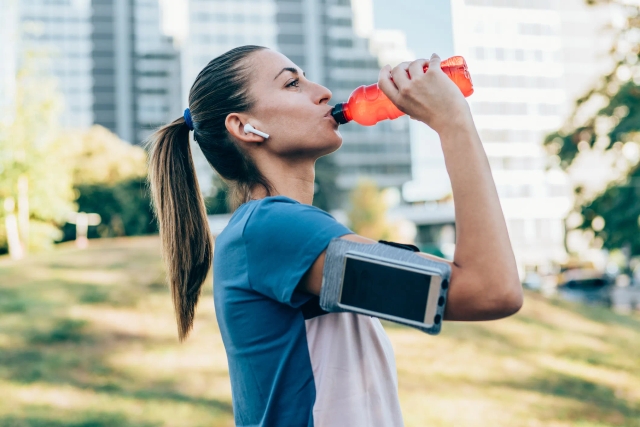 CaffeineCAS-Nr.58-08-2SynonymCaffeine
- Calcium LactateCAS-Nr.814-80-2SynonymCalcium Lactate
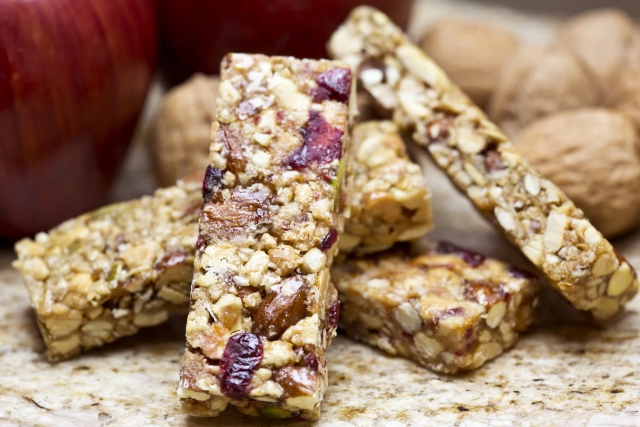 Calcium PropionateCAS-Nr.4075-81-4SynonymCalcium Propionate
 Calcium SilicateCAS-Nr.1344-95-2SynonymCalcium Silicate
- Citric AcidCAS-Nr.77-92-9, 5949-29-1SynonymCitric Acid
 DextroseCAS-Nr.1496309SynonymDextrose
- Erythorbic AcidCAS-Nr.89-65-6SynonymErythorbic Acid
- ErythritolCAS-Nr.149-32-6SynonymErythritol
- Fumaric AcidCAS-Nr.110-17-8SynonymFumaric Acid
- Glucono Delta LactoneCAS-Nr.90-80-2SynonymGlucono Delta Lactone
- GlucuronolactoneCAS-Nr.32449-92-6SynonymGlucuronolactone
 GlycineCAS-Nr.56-40-6SynonymGlycine
 Lactic AcidCAS-Nr.50-21-5SynonymLactic Acid
 Magnesium CitrateCAS-Nr.7779-25-1SynonymMagnesium Citrate
 MaltitolCAS-Nr.585-88-6SynonymMaltitol
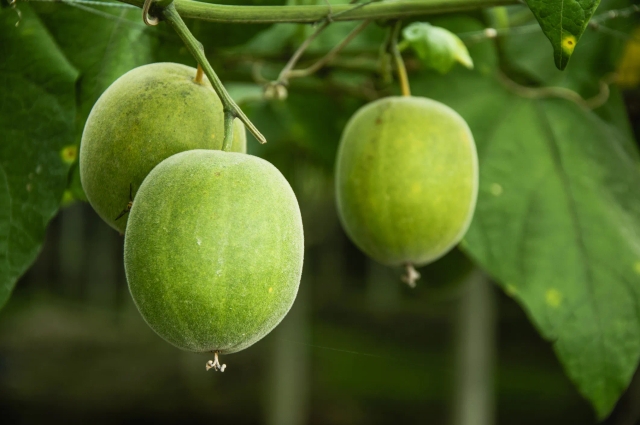 Monk FruitCAS-Nr.-SynonymMonk Fruit
 PolyvinylpolypyrrolidoneCAS-Nr.9003-39-8SynonymPolyvinylpolypyrrolidone
 Potassium SorbateCAS-Nr.24634-61-5SynonymPotassium Sorbate
 Sodium AcetateCAS-Nr.127-09-3SynonymSodium Acetate
- Sodium AscorbateCAS-Nr.134-03-2SynonymSodium Ascorbate
 Sodium CyclamateCAS-Nr.139-05-9SynonymSodium Cyclamate
 Sodium DiacetateCAS-Nr.126-96-5SynonymSodium Diacetate
- Sodium ErythorbateCAS-Nr.6381-77-7SynonymSodium Erythorbate
- Sorbic AcidCAS-Nr.110-44-1SynonymSorbic Acid
 SucraloseCAS-Nr.56038-13-2SynonymSucralose
 TaurineCAS-Nr.107-35-7SynonymTaurine
 Tricalcium PhosphateCAS-Nr.7758-87-4SynonymTricalcium Phosphate
- Tripotassium CitrateCAS-Nr.866-84-2SynonymTripotassium Citrate
 Trisodium CitrateCAS-Nr.6132-04-3SynonymTrisodium Citrate
 VanillinCAS-Nr.121-33-5SynonymVanillin
 Xanthan GumCAS-Nr.11138-66-2SynonymXanthan Gum
- XylitolCAS-Nr.87-99-0SynonymXylitol
- (Tri-) CalciumcitrateCAS-Nr.5785-44-4Synonym(Tri-) Calciumcitrate




Rödingsmarkt 16,
DE-20459 Hamburg
Jebsen & Jessen Life Science is part of the Jebsen & Jessen Hamburg Group


