
Aspartame: Our product information
As a reliable dealer and distributor of Aspartame, we are your global partner for sourcing high-quality products.
Product Specification
Aspartame: High‑Intensity Sweetener for Food & Beverages
Aspartame is one of the most widely used sweeteners in the global food and beverage industry. Discovered in 1965, this high‑intensity sweetener has approximately 200 times the sweetness of sucrose (table sugar). Due to its high sweetening power, only very small quantities are required, enabling the development of sugar‑reduced product concepts.
Chemically, aspartame consists of the amino acids L‑aspartic acid and L‑phenylalanine. Thanks to its sugar‑like taste profile, aspartame is used in numerous applications where a pleasant sweetness and a balanced sensory profile are required.
Aspartame is particularly suitable for applications with limited thermal stress, as it is less stable at high temperatures compared to some alternative sweeteners.
Aspartame Production: Technological Process
Aspartame is produced through a multi‑step biotechnological and chemical manufacturing process. The starting components, L‑aspartic acid and L‑phenylalanine, are first obtained and then converted into aspartame through controlled reaction steps.
The result is a white, crystalline powder with defined purity and consistent product properties, suitable for a wide range of applications in the food industry.
Aspartame: Applications in Food
Aspartame is approved as a food additive under E951 and is used worldwide across numerous product categories.
Typical applications include:
-
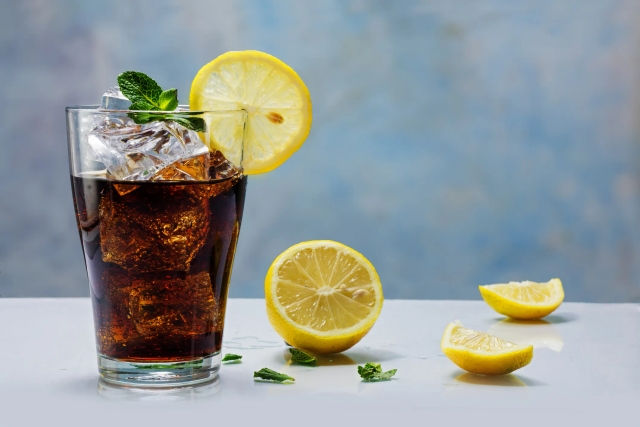
soft drinks and refreshment beverages
-
reduced‑sugar beverages
-
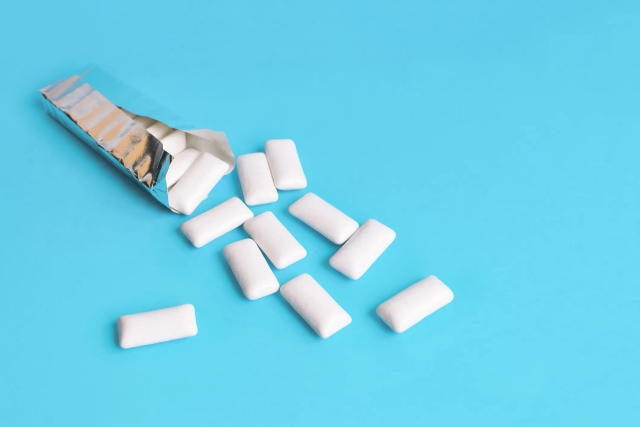
sugar‑free chewing gum
-
dairy products and desserts
-
confectionery
-
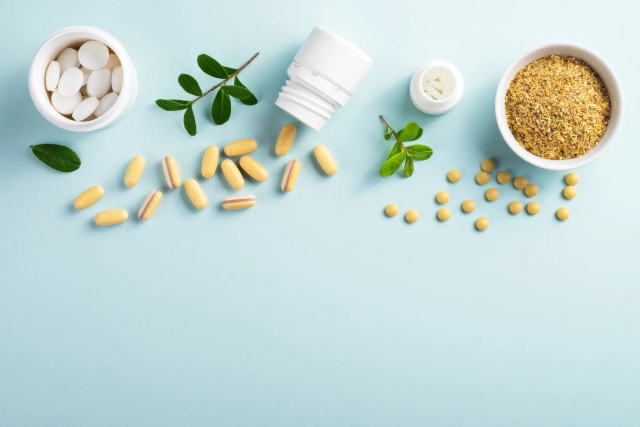
dietary supplements
-
protein powders and sports nutrition products
-
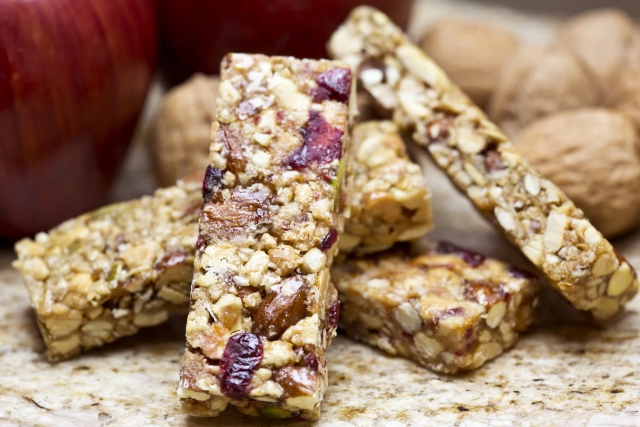
fruit preparations and spreads
Thanks to its high sweetening power, aspartame can be efficiently integrated into a wide variety of product concepts.
Aspartame: Importance for Modern Food Concepts
Aspartame is one of the established high‑intensity sweeteners in the international food industry. It is used in numerous applications where strong sweetness at low dosage levels is required.
Due to its balanced sensory profile, aspartame is suitable for both beverages and solid foods, as well as dietary supplements.
Its global acceptance and long history of use make aspartame an important component of modern sweetening concepts.
Aspartame Function: Role in Application Context
In industrial applications, aspartame is primarily used as a high‑intensity sweetener.
Its main function is to provide sweetness while supporting the desired sensory perception of the final product. Due to its high sweetening power, only very small quantities are required.
Aspartame is often used as part of complex sweetening systems and can be combined with other sweeteners to achieve specific flavor profiles.
Aspartame Supplier: We Deliver High‑Quality Sweeteners
As an experienced trader and distributor, Jebsen & Jessen Life Science supplies high‑quality sweeteners for the food and beverage industry, including aspartame.
Our services include:
-
global sourcing from qualified suppliers
-
long‑term supplier partnerships
-
certified quality management (ISO 9001:2015, IFS Broker, GMP+ B3, Organic)
-
technical support for product and application topics
-
efficient logistics solutions for Europe and international markets
We support manufacturers with reliable access to high‑quality raw materials and assist with individual requirements throughout the supply chain.
Please use our inquiry form – we process requests promptly. For sample requests, kindly specify quantity and manufacturer.
Aspartame Wholesale: Product Information
We supply aspartame in standard commercial specifications for food and beverage applications.
The following documentation is available upon request:
-
Certificate of Analysis (CoA)
-
product specifications
-
Safety Data Sheet (SDS / MSDS)

 XylitolCAS-Nr.87-99-0SynonymXylitol
 (Tri-) CalciumcitrateCAS-Nr.5785-44-4Synonym(Tri-) Calciumcitrate
 Acesulfame KCAS-Nr.55589-62-3SynonymAcesulfame K
 Ascorbic AcidCAS-Nr.50-81-7SynonymAscorbic Acid
 AspartameCAS-Nr.22839-47-0SynonymAspartame
 CaffeineCAS-Nr.58-08-2SynonymCaffeine
- Calcium LactateCAS-Nr.814-80-2SynonymCalcium Lactate
 Calcium PropionateCAS-Nr.4075-81-4SynonymCalcium Propionate
 Calcium SilicateCAS-Nr.1344-95-2SynonymCalcium Silicate
- Citric AcidCAS-Nr.77-92-9, 5949-29-1SynonymCitric Acid
 DextroseCAS-Nr.1496309SynonymDextrose
- Erythorbic AcidCAS-Nr.89-65-6SynonymErythorbic Acid
- ErythritolCAS-Nr.149-32-6SynonymErythritol
- Fumaric AcidCAS-Nr.110-17-8SynonymFumaric Acid
- Glucono Delta LactoneCAS-Nr.90-80-2SynonymGlucono Delta Lactone
- GlucuronolactoneCAS-Nr.32449-92-6SynonymGlucuronolactone
 GlycineCAS-Nr.56-40-6SynonymGlycine
 Lactic AcidCAS-Nr.50-21-5SynonymLactic Acid
 Magnesium CitrateCAS-Nr.7779-25-1SynonymMagnesium Citrate
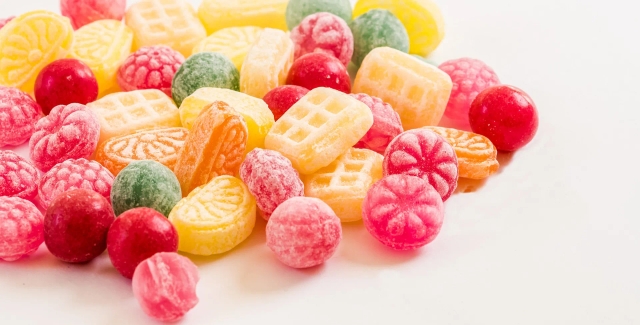 MaltitolCAS-Nr.585-88-6SynonymMaltitol
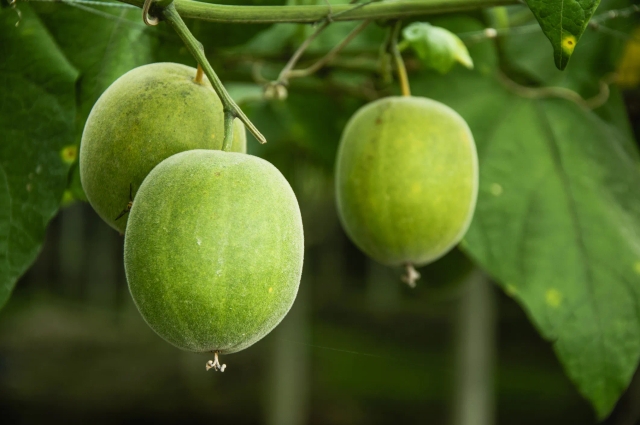 Monk FruitCAS-Nr.-SynonymMonk Fruit
 PolyvinylpolypyrrolidoneCAS-Nr.9003-39-8SynonymPolyvinylpolypyrrolidone
 Potassium SorbateCAS-Nr.24634-61-5SynonymPotassium Sorbate
 Sodium AcetateCAS-Nr.127-09-3SynonymSodium Acetate
- Sodium AscorbateCAS-Nr.134-03-2SynonymSodium Ascorbate
 Sodium CyclamateCAS-Nr.139-05-9SynonymSodium Cyclamate
 Sodium DiacetateCAS-Nr.126-96-5SynonymSodium Diacetate
- Sodium ErythorbateCAS-Nr.6381-77-7SynonymSodium Erythorbate
- Sorbic AcidCAS-Nr.110-44-1SynonymSorbic Acid
 SucraloseCAS-Nr.56038-13-2SynonymSucralose
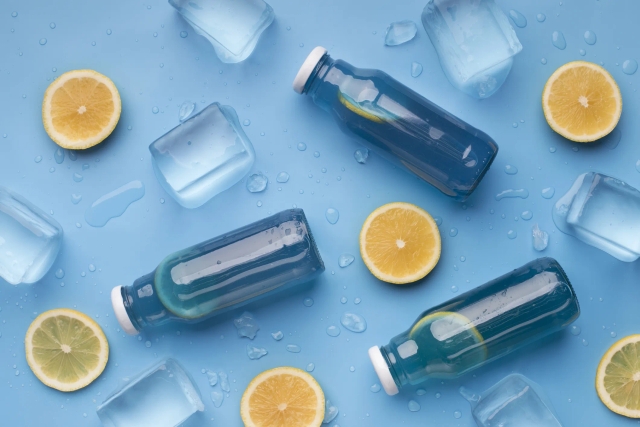 TaurineCAS-Nr.107-35-7SynonymTaurine
 Tricalcium PhosphateCAS-Nr.7758-87-4SynonymTricalcium Phosphate
- Tripotassium CitrateCAS-Nr.866-84-2SynonymTripotassium Citrate
 Trisodium CitrateCAS-Nr.6132-04-3SynonymTrisodium Citrate
 VanillinCAS-Nr.121-33-5SynonymVanillin
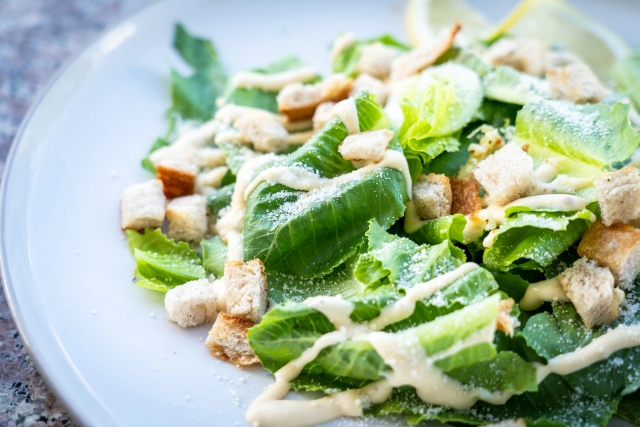 Xanthan GumCAS-Nr.11138-66-2SynonymXanthan Gum
- XylitolCAS-Nr.87-99-0SynonymXylitol
- (Tri-) CalciumcitrateCAS-Nr.5785-44-4Synonym(Tri-) Calciumcitrate





Rödingsmarkt 16,
DE-20459 Hamburg
Jebsen & Jessen Life Science is part of the Jebsen & Jessen Hamburg Group


