
Dextrose: Our product information
As a reliable dealer and distributor of Dextrose, we are your global partner for sourcing high-quality products.
Product Specification
Dextrose: A proven and versatile sweetener for food
Dextrose is a commonly used natural sweetener that is often used in beverages and seasonings. It is a water-soluble carbohydrate that is made from corn and has a sweet taste. It is a type of glucose or simple sugar. When glucose is used as a food additive, it is referred to as dextrose. Glucose monohydrate, also known as dextrose monohydrate, is a popular form of dextrose.
Compared to other sweeteners, dextrose has a moderate sweetness. The advantage of dextrose lies in its easy digestibility, quick metabolism, and naturalness. Due to its high glycemic index, dextrose rapidly increases blood sugar levels, providing the body with a quick energy boost.
Pure dextrose is available as a powder that is colorless and odorless and dissolves well in water.
Dextrose production: Technological extraction
Dextrose occurs naturally in honey, fruit, or corn. The production of dextrose relies on a technological process called enzymatic hydrolysis. In this process, starch molecules are broken down using enzymes (amylases). Starch is composed of long chains of glucose molecules. By breaking these chains through enzymatic hydrolysis, individual glucose molecules are obtained.
Use and effects of dextrose in food
Food additives such as dextrose are used as sweeteners when the flavor of a food needs to be made sweeter. In the beverage industry, dextrose is a preferred sweetener as it provides a clear, sweet taste without leaving an unpleasant aftertaste.
In foods such as cookies, jams, or confectionery, dextrose is used to enhance the taste and sweet aroma. The sweetener is also used in ice cream to lower the freezing point and optimize the mouthfeel. In baked goods, dextrose can also have a positive effect on consistency and color.
Dextrose is often used in sports drinks, energy drinks, and non-alcoholic beverages to provide a quick supply of carbohydrates that the body can use as an energy source without delay.
Dextrose: Other Applications and Effects of the Sweetener
Dextrose is also a popular additive in the spice industry. Certain types of spices benefit from the addition of dextrose as it provides a pleasant sweetness and helps to effectively round out their flavor. Additionally, the sweetener is often used in dry mixes for sauces, soups, and other spice blends to create a sweet flavor balance.
However, the dextrose additive has more uses beyond increasing the sweetness of food. It also functions as a natural preservative, which is utilized to optimize the shelf life of food such as jams or confectionery. The preserving effect is based on the osmotic activity of dextrose, which binds water and deprives microorganisms of it. This makes the food more durable and less susceptible to bacteria or mold.
Furthermore, dextrose is used in medications as well. For instance, diabetes patients take dextrose tablets during acute hypoglycemia to quickly raise and stabilize their blood sugar levels.
Conclusion: What Makes the Additive Special
Dextrose is a versatile and natural alternative to complex sugars, which are used in many beverages and spices. The sweetener enhances the flavor of food and acts as a preservative. The additive is a good choice for those who prefer a natural and well-tolerated sweetener.
We Provide High-Quality Additives
Are you looking for a dextrose supplier or interested in our other products? Please feel free to use our inquiry form so that one of our experienced employees can address your concerns as soon as possible.
If you require a sample, please specify the desired quantity and manufacturer. We will contact you promptly to discuss your requirements.

 XylitolCAS-Nr.87-99-0SynonymXylitol
 (Tri-) CalciumcitrateCAS-Nr.5785-44-4Synonym(Tri-) Calciumcitrate
 Acesulfame KCAS-Nr.55589-62-3SynonymAcesulfame K
 Ascorbic AcidCAS-Nr.50-81-7SynonymAscorbic Acid
 AspartameCAS-Nr.22839-47-0SynonymAspartame
 CaffeineCAS-Nr.58-08-2SynonymCaffeine
- Calcium LactateCAS-Nr.814-80-2SynonymCalcium Lactate
 Calcium PropionateCAS-Nr.4075-81-4SynonymCalcium Propionate
 Calcium SilicateCAS-Nr.1344-95-2SynonymCalcium Silicate
- Citric AcidCAS-Nr.77-92-9, 5949-29-1SynonymCitric Acid
 DextroseCAS-Nr.1496309SynonymDextrose
- Erythorbic AcidCAS-Nr.89-65-6SynonymErythorbic Acid
- ErythritolCAS-Nr.149-32-6SynonymErythritol
- Fumaric AcidCAS-Nr.110-17-8SynonymFumaric Acid
- Glucono Delta LactoneCAS-Nr.90-80-2SynonymGlucono Delta Lactone
- GlucuronolactoneCAS-Nr.32449-92-6SynonymGlucuronolactone
 GlycineCAS-Nr.56-40-6SynonymGlycine
 Lactic AcidCAS-Nr.50-21-5SynonymLactic Acid
 Magnesium CitrateCAS-Nr.7779-25-1SynonymMagnesium Citrate
 MaltitolCAS-Nr.585-88-6SynonymMaltitol
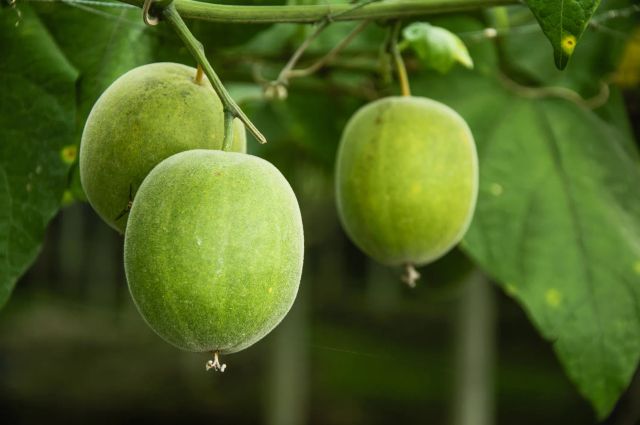 Monk FruitCAS-Nr.-SynonymMonk Fruit
 PolyvinylpolypyrrolidoneCAS-Nr.9003-39-8SynonymPolyvinylpolypyrrolidone
 Potassium SorbateCAS-Nr.24634-61-5SynonymPotassium Sorbate
 Sodium AcetateCAS-Nr.127-09-3SynonymSodium Acetate
- Sodium AscorbateCAS-Nr.134-03-2SynonymSodium Ascorbate
 Sodium CyclamateCAS-Nr.139-05-9SynonymSodium Cyclamate
 Sodium DiacetateCAS-Nr.126-96-5SynonymSodium Diacetate
- Sodium ErythorbateCAS-Nr.6381-77-7SynonymSodium Erythorbate
- Sorbic AcidCAS-Nr.110-44-1SynonymSorbic Acid
 SucraloseCAS-Nr.56038-13-2SynonymSucralose
 TaurineCAS-Nr.107-35-7SynonymTaurine
 Tricalcium PhosphateCAS-Nr.7758-87-4SynonymTricalcium Phosphate
- Tripotassium CitrateCAS-Nr.866-84-2SynonymTripotassium Citrate
 Trisodium CitrateCAS-Nr.6132-04-3SynonymTrisodium Citrate
 VanillinCAS-Nr.121-33-5SynonymVanillin
 Xanthan GumCAS-Nr.11138-66-2SynonymXanthan Gum
- XylitolCAS-Nr.87-99-0SynonymXylitol
- (Tri-) CalciumcitrateCAS-Nr.5785-44-4Synonym(Tri-) Calciumcitrate





Rödingsmarkt 16,
DE-20459 Hamburg
Jebsen & Jessen Life Science is part of the Jebsen & Jessen Hamburg Group


