Maltitol: Our product information
As a reliable dealer and distributor of Maltitol, we are your global partner for sourcing high-quality products.
Product Specification
Maltitol: The calorie-reduced sweetener with versatile applications
Maltitol is a sugar alcohol that is often used as a sugar substitute in various foods and drinks. The sweetener has a similar sweetness to sugar but with about 40% fewer calories. Maltitol is produced from corn or wheat and has a slower absorption rate than sugar. Thus, it has virtually no effect on blood sugar levels.
In crystalline form, Maltitol sugar substitute has about 90% of the normal sugar sweetness. In liquid syrup form, the sweetness is closer to 70% compared to conventional sugar. The sugar substitute is listed under the E number E965 and is available as a white, fine powder that has good water solubility.
Maltitol Production: Technological Extraction
Maltose, also known as malt sugar, is required to produce Maltitol. Maltose is a natural breakdown product of starch. Starchy raw materials such as corn or wheat are used to extract it, which are then combined with enzymes (amylases) to produce maltose. The maltose is then catalytically hydrogenated, meaning hydrogen atoms are added. This produces the sweetener Maltitol or E965 sweetener.
Maltitol Sugar Substitute: Use in Foods
The sweet Maltitol belongs to the group of food additives used to improve taste. However, the sugar substitute also fulfils other important functions within food technology.
The sweetness of Maltitol is used to give reduced-sugar or low-calorie products a better aroma and more sweetness without the need to use real sugar. Maltitol is also used in ice cream, jams, or desserts.
Due to its ability to bind water, Maltitol is used as a humectant in chocolate, marzipan, or nougat products. Maltitol improves the softness and prevents premature drying of the food.
In drinks, Maltitol is often used as a substitute to offer a healthier alternative to conventional sugar. It is also suitable for people with diabetes, as it has almost no impact on blood sugar levels. Maltitol can also be easily combined with other sweeteners.
In addition, Maltitol acts as a carrier substance for flavourings and vitamins and acts as a stabilizer. As an emulsifier, Maltitol prevents the separation of water and fats in sauces, soups, and mustard.
Maltitol: Other Applications of the Sweetener
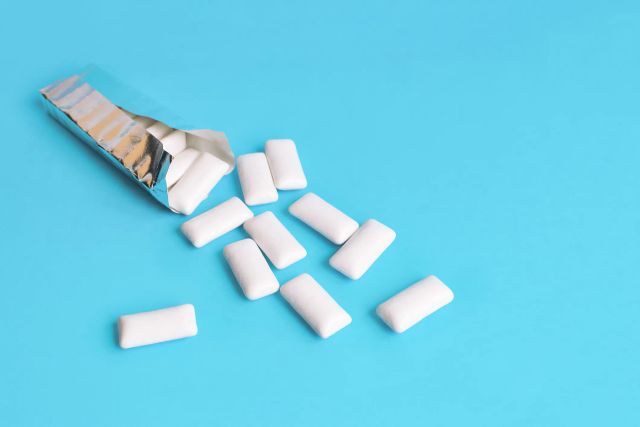
In addition to food, Maltitol sweetener is also used in products related to dental health. These include toothpaste or sugar-free chewing gum. Unlike sugar, which has a cariogenic effect that is harmful to tooth enamel, Maltitol has no negative effects on dental health despite its sweetness.
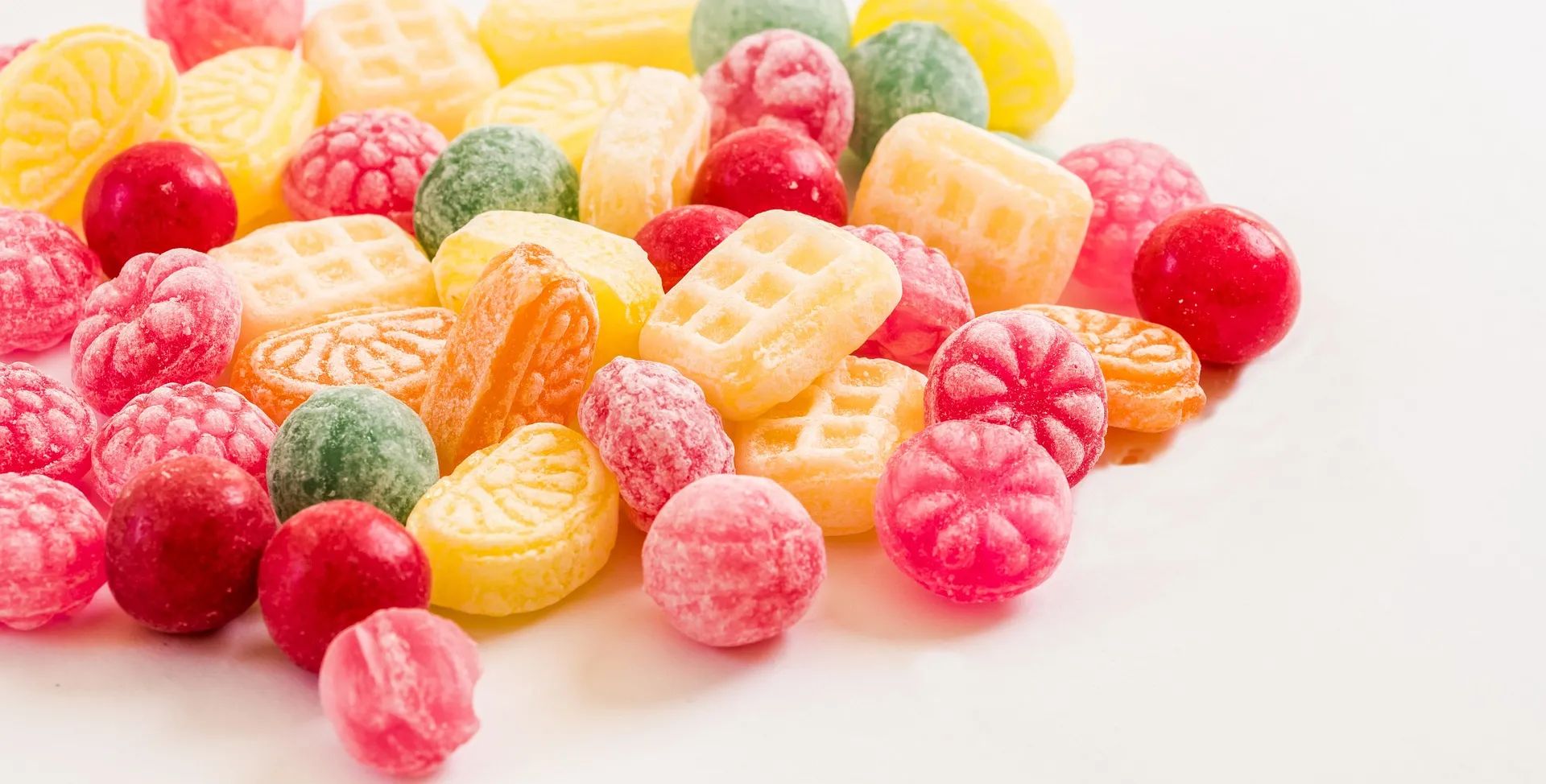
The sugar substitute is therefore ideal for giving dental products a sweet aroma without damaging the tooth substance. Sugar-free sweets often contain Maltitol instead of sugar for the same reason.
Conclusion: This makes the Additive Special
The sweetener Maltitol is a popular choice for people looking for a healthier alternative to sugar in drinks. It provides a sweet taste and is low in calories, making it a favored option for many individuals who want to reduce their calorie intake. Another area of use is in cosmetics, where Maltitol serves as a humectant and fragrance enhancer due to its slightly sweet smell.
We Supply High-Quality Additives
Are you looking for a Maltitol dealer or interested in one of our other products? Please feel free to use our inquiry form so that one of our experienced staff can assist you with your needs as soon as possible. If you require a sample, please indicate the desired quantity and manufacturer. We will contact you promptly to discuss your requirements.

 XylitolCAS-Nr.87-99-0SynonymXylitol
 (Tri-) CalciumcitrateCAS-Nr.5785-44-4Synonym(Tri-) Calciumcitrate
 Acesulfame KCAS-Nr.55589-62-3SynonymAcesulfame K
 Ascorbic AcidCAS-Nr.50-81-7SynonymAscorbic Acid
 AspartameCAS-Nr.22839-47-0SynonymAspartame
 CaffeineCAS-Nr.58-08-2SynonymCaffeine
- Calcium LactateCAS-Nr.814-80-2SynonymCalcium Lactate
 Calcium PropionateCAS-Nr.4075-81-4SynonymCalcium Propionate
 Calcium SilicateCAS-Nr.1344-95-2SynonymCalcium Silicate
- Citric AcidCAS-Nr.77-92-9, 5949-29-1SynonymCitric Acid
 DextroseCAS-Nr.1496309SynonymDextrose
- Erythorbic AcidCAS-Nr.89-65-6SynonymErythorbic Acid
- ErythritolCAS-Nr.149-32-6SynonymErythritol
- Fumaric AcidCAS-Nr.110-17-8SynonymFumaric Acid
- Glucono Delta LactoneCAS-Nr.90-80-2SynonymGlucono Delta Lactone
- GlucuronolactoneCAS-Nr.32449-92-6SynonymGlucuronolactone
 GlycineCAS-Nr.56-40-6SynonymGlycine
 Lactic AcidCAS-Nr.50-21-5SynonymLactic Acid
 Magnesium CitrateCAS-Nr.7779-25-1SynonymMagnesium Citrate
 MaltitolCAS-Nr.585-88-6SynonymMaltitol
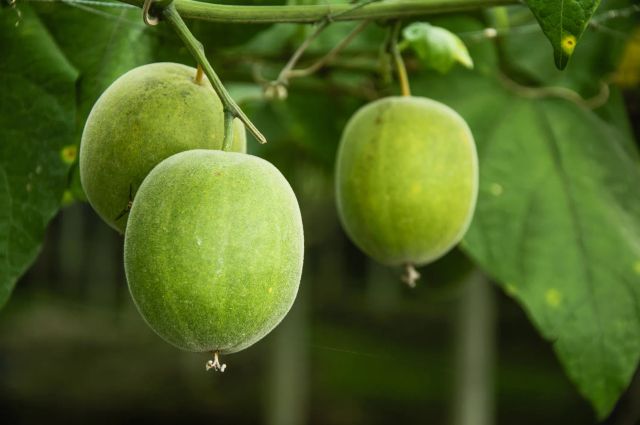 Monk FruitCAS-Nr.-SynonymMonk Fruit
 PolyvinylpolypyrrolidoneCAS-Nr.9003-39-8SynonymPolyvinylpolypyrrolidone
 Potassium SorbateCAS-Nr.24634-61-5SynonymPotassium Sorbate
 Sodium AcetateCAS-Nr.127-09-3SynonymSodium Acetate
- Sodium AscorbateCAS-Nr.134-03-2SynonymSodium Ascorbate
 Sodium CyclamateCAS-Nr.139-05-9SynonymSodium Cyclamate
 Sodium DiacetateCAS-Nr.126-96-5SynonymSodium Diacetate
- Sodium ErythorbateCAS-Nr.6381-77-7SynonymSodium Erythorbate
- Sorbic AcidCAS-Nr.110-44-1SynonymSorbic Acid
 SucraloseCAS-Nr.56038-13-2SynonymSucralose
 TaurineCAS-Nr.107-35-7SynonymTaurine
 Tricalcium PhosphateCAS-Nr.7758-87-4SynonymTricalcium Phosphate
- Tripotassium CitrateCAS-Nr.866-84-2SynonymTripotassium Citrate
 Trisodium CitrateCAS-Nr.6132-04-3SynonymTrisodium Citrate
 VanillinCAS-Nr.121-33-5SynonymVanillin
 Xanthan GumCAS-Nr.11138-66-2SynonymXanthan Gum
- XylitolCAS-Nr.87-99-0SynonymXylitol
- (Tri-) CalciumcitrateCAS-Nr.5785-44-4Synonym(Tri-) Calciumcitrate





Rödingsmarkt 16,
DE-20459 Hamburg
Jebsen & Jessen Life Science is part of the Jebsen & Jessen Hamburg Group


