
Trisodium Citrate: Our product information
As a reliable dealer and distributor of Trisodium Citrate, we are your global partner for sourcing high-quality products.
Product Specification
Trisodium Citrate The Additive for Food, Personal Care, and Cleaning Products
Trisodium citrate is an additive used in food technology, as well as in the Home & Personal Care industry. It is a salt of citric acid. Trisodium citrate is also known as sodium citrate, and can be written as such, however, this term is imprecise, as sodium citrate can exist as mono-, di-, or trisodium citrate, and the three variants differ in their acidic effects. Trisodium citrate is particularly sought-after in the food, cosmetic, and pharmaceutical industries and is also available as trisodium citrate dihydrate or trisodium citrate-2-hydrate.
Trisodium citrate is listed under the E-number sodium citrate E331. It has a slightly salty taste and is available as a white, colorless powder that dissolves well in warm water. Due to its hygroscopic properties, trisodium citrate easily absorbs water from its surroundings and binds the water molecules.
Trisodium Citrate Food Applications and Effects
Trisodium citrate is a preservative, acidifier, and effective acid regulator. Trisodium citrate belongs to the group of food additives , which are considered to be well-tolerated, safe, and risk-free. The salt of citric acid can optimize the shelf life, taste, and texture of food. The antioxidant effects of trisodium citrate have several positive effects on beverages and various foods.
Trisodium citrate is also used as a complexing agent. The salt of citric acid is also referred to as a sequestering agent. These agents bind toxic substances in food and thereby protect consumers from poisoning.
In the beverage industry, trisodium citrate is used to add a sour note and improve the shelf life of sodas, soft drinks, and other processed foods. It also ensures that these products maintain their taste and consistency.
In addition, trisodium citrate is used in spices to give them a sour note and enhance their aroma.
Other foods containing trisodium citrate
Furthermore, the salt of citric acid can be found in other foods. Other trisodium citrate/ sodium citrate foods include:
- Ice cream
- Jam
- Baking powder
- Cheese
- Energy Drinks
- Canned fruits
- Milk powder
- Fizzy drinks
- Jelly, sugar
- Meat products
- Carbonated beverages
Trisodium citrate is an important component in the food industry and helps make food products more enjoyable and durable. Trisodium citrate is considered very well-tolerated and safe..
Trisodium citrate: Further uses of sodium citrate
Trisodium citrate is not only needed in food technology but is also used in other technological areas. The descaling effect of the salt is particularly noteworthy. Trisodium citrate counteracts lime by binding to calcium and thus softening the water.
Trisodium citrate is known for its strong cleaning properties and helps prevent and eliminate lime. Trisodium citrate is also used in metal cleaning and as a metal polishing agent. In the home and personal care industry, trisodium citrate dihydrate is often used in dishwasher tablets or granules to remove stubborn stains and mineral deposits. Laundry detergents are also frequently supplemented with trisodium citrate to stabilize the pH and soften the water.
Care and cosmetic products can also contain trisodium citrate. Citric acid salt is used in shower products, creams and shampoos to achieve the optimum acidity level. Since healthy skin naturally has an acidic pH, additives such as trisodium citrate dihydrate are needed to give products the ideal pH. In addition, the preservative effect of trisodium citrate can extend the shelf life of care products.
Furthermore, trisodium citrate is also used in medicines, for example in medications to treat urinary tract infections. Trisodium citrate is also used to inhibit blood clotting.
In the feed additive industry, it is also well-suited as a preservative.
Trisodium Citrate Production: Technological Extraction
The salts of citric acid are called citrates. Trisodium citrate also belongs to this group. The production requires citric acid, from which trisodium citrate is later extracted. Citric acid can be extracted naturally from citrus fruits or can be produced biotechnologically with the help of the mold Aspergillusniger.
The fermentation of sugar-containing raw materials, such as molasses or corn, produces citric acid. The citric acid then reacts with sodium hydroxide, alternatively sodium carbonate or bicarbonate, which produces the citric acid salt trisodium citrate.
Conclusion: What makes the additive special
Overall, trisodium citrate is a versatile additive that is essential for many different industries. Trisodium citrate is used to improve cleaning performance and works especially well against hard water.
The pH regulator sodium citrate is also responsible for the correct pH adjustment in food and cosmetics. In addition, trisodium citrate acts as a flavor enhancer and complexing agent. It optimizes the consistency, durability, and safety of foods.
We deliver high-quality additives
Are you looking for a trisodium citrate distributor or are you interested in other products from us? Please use our inquiry form so that one of our experienced employees can take care of your request as soon as possible.
If you want a sample, please also provide the desired quantity and manufacturer. We will contact you immediately to discuss your requirements.
Product Pricing Outlook
CurrentTrisodium Citrate
Prices for trisodium citrate remain at an elevated level. While FOB prices from manufacturers in China have recently become more stable with a slight downward tendency, high ocean freight rates and currency effects continue to put cost pressure on the European market. Early demand planning therefore remains advisable in order to secure availability and better manage potential cost risks.
Read the full market analysis here
Your questions about our products
 XylitolCAS-Nr.87-99-0SynonymXylitol
 (Tri-) CalciumcitrateCAS-Nr.5785-44-4Synonym(Tri-) Calciumcitrate
 Acesulfame KCAS-Nr.55589-62-3SynonymAcesulfame K
 Ascorbic AcidCAS-Nr.50-81-7SynonymAscorbic Acid
 AspartameCAS-Nr.22839-47-0SynonymAspartame
 CaffeineCAS-Nr.58-08-2SynonymCaffeine
- Calcium LactateCAS-Nr.814-80-2SynonymCalcium Lactate
 Calcium PropionateCAS-Nr.4075-81-4SynonymCalcium Propionate
 Calcium SilicateCAS-Nr.1344-95-2SynonymCalcium Silicate
- Citric AcidCAS-Nr.77-92-9, 5949-29-1SynonymCitric Acid
 DextroseCAS-Nr.1496309SynonymDextrose
- Erythorbic AcidCAS-Nr.89-65-6SynonymErythorbic Acid
- ErythritolCAS-Nr.149-32-6SynonymErythritol
- Fumaric AcidCAS-Nr.110-17-8SynonymFumaric Acid
- Glucono Delta LactoneCAS-Nr.90-80-2SynonymGlucono Delta Lactone
- GlucuronolactoneCAS-Nr.32449-92-6SynonymGlucuronolactone
 GlycineCAS-Nr.56-40-6SynonymGlycine
 Lactic AcidCAS-Nr.50-21-5SynonymLactic Acid
 Magnesium CitrateCAS-Nr.7779-25-1SynonymMagnesium Citrate
 MaltitolCAS-Nr.585-88-6SynonymMaltitol
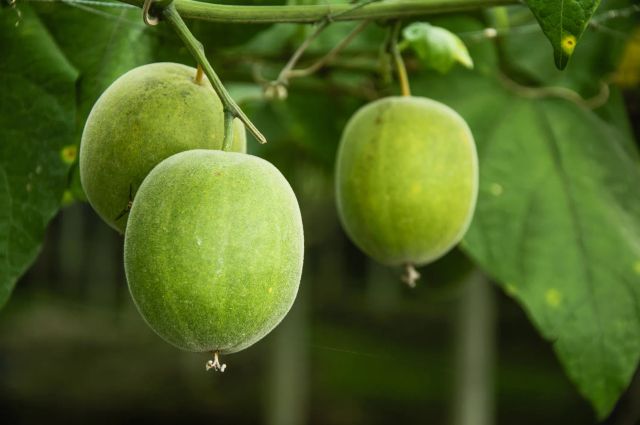 Monk FruitCAS-Nr.-SynonymMonk Fruit
 PolyvinylpolypyrrolidoneCAS-Nr.9003-39-8SynonymPolyvinylpolypyrrolidone
 Potassium SorbateCAS-Nr.24634-61-5SynonymPotassium Sorbate
 Sodium AcetateCAS-Nr.127-09-3SynonymSodium Acetate
- Sodium AscorbateCAS-Nr.134-03-2SynonymSodium Ascorbate
 Sodium CyclamateCAS-Nr.139-05-9SynonymSodium Cyclamate
 Sodium DiacetateCAS-Nr.126-96-5SynonymSodium Diacetate
- Sodium ErythorbateCAS-Nr.6381-77-7SynonymSodium Erythorbate
- Sorbic AcidCAS-Nr.110-44-1SynonymSorbic Acid
 SucraloseCAS-Nr.56038-13-2SynonymSucralose
 TaurineCAS-Nr.107-35-7SynonymTaurine
 Tricalcium PhosphateCAS-Nr.7758-87-4SynonymTricalcium Phosphate
- Tripotassium CitrateCAS-Nr.866-84-2SynonymTripotassium Citrate
 Trisodium CitrateCAS-Nr.6132-04-3SynonymTrisodium Citrate
 VanillinCAS-Nr.121-33-5SynonymVanillin
 Xanthan GumCAS-Nr.11138-66-2SynonymXanthan Gum
- XylitolCAS-Nr.87-99-0SynonymXylitol
- (Tri-) CalciumcitrateCAS-Nr.5785-44-4Synonym(Tri-) Calciumcitrate





Rödingsmarkt 16,
DE-20459 Hamburg
Jebsen & Jessen Life Science is part of the Jebsen & Jessen Hamburg Group


